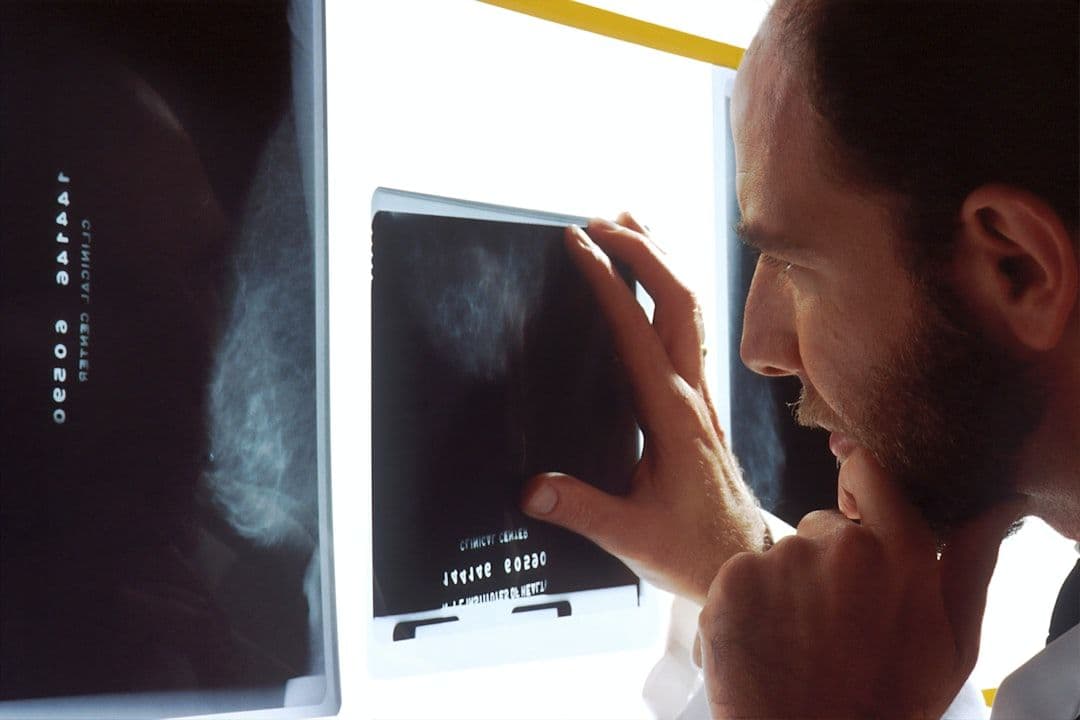
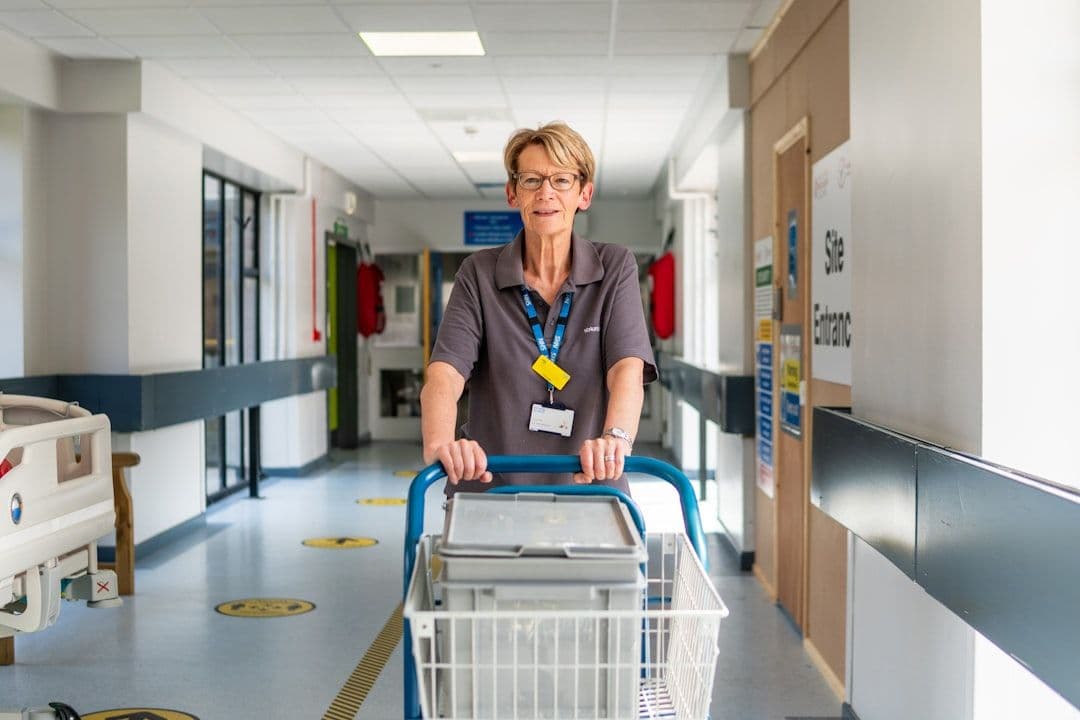
Picture a 58-year-old woman from Worcestershire. She's waiting for a knee replacement, a cardiology review, a physiotherapy assessment, and an outpatient appointment with a dermatologist. Each list has its own clock. Each clinic sends its own letters. And none of them talk to each other.
This isn't a rare case. NHS England data from 2024 showed that while the total waiting list stood at around 7.6 million entries, the number of individual patients waiting was considerably lower, because a significant proportion of people are waiting for more than one thing at once. Being on six lists isn't dramatic. For many patients managing several long-term conditions, it has simply become normal.
The weight of parallel waits
There's a particular kind of exhaustion that comes not from pain alone, but from uncertainty. When you don't know whether your surgery will happen in three months or nine, you can't plan anything. You defer the holiday. You stay close to home. You hold off on telling your employer, because you're not sure when you'll need time off.
Now multiply that by six. Each condition has its own trajectory, its own risk of deterioration, its own emotional charge. A person waiting for a knee replacement may also be waiting for a sleep study, a cataract assessment, and a follow-up colonoscopy. Each of those carries its own anxiety. Each appointment letter, when it finally arrives, creates a small jolt of relief followed quickly by the realisation that the wait for the others continues.
GPs describe this phenomenon quietly. Patients come in for one thing and mention, almost in passing, that they're also on three other lists. The GP can chase, can write, can advocate. But the structural problem sits upstream.
What multiple waits do to the body
Conditions don't pause politely while you wait. A knee that needs replacing continues to deteriorate. The surrounding muscles weaken from disuse. Gait changes to compensate, which places strain on the opposite hip and the lower back. By the time surgery happens, the patient's overall physical condition may be materially worse than it was at referral.
The same dynamic plays out across specialties. Untreated sleep apnoea places strain on the cardiovascular system. Delayed dermatology reviews mean skin conditions worsen, sometimes scarring. Postponed physiotherapy for a rotator cuff tear can allow adhesive tissue to form, making eventual treatment harder and recovery longer.
This isn't a criticism of NHS clinicians, many of whom are working at extraordinary intensity. It's an honest account of what medically happens when time passes without treatment.
The mental health dimension
Research published in the British Journal of General Practice found that patients on waiting lists for elective procedures showed significantly elevated rates of anxiety and depression compared with the general population. That effect compounds when the wait involves multiple conditions.
There's also a practical burden that rarely gets discussed. Managing multiple waits means managing multiple administrative threads. Chasing appointments. Repeating your history to different departments. Re-referrals when waiting lists are closed and reopened. For older patients, or those with cognitive difficulties, or those without the time and confidence to navigate complex admin, this burden is not trivial.
Families absorb it too. Adult children take time off work to attend appointments. Partners manage the emotional load. The ripple effect of a single patient on multiple lists extends considerably further than the patient themselves.
Where private care fits in
For some conditions, waiting isn't optional. The window for effective treatment narrows. The quality of life in the meantime is genuinely poor. In those cases, a number of patients in Worcestershire and the wider West Midlands have chosen to move at least one of their waits into private care, not because they've abandoned the NHS, but because they've made a pragmatic calculation about which condition is most urgent.
At Optimised Care in Bromsgrove, patients can be seen by a private GP within the same week, with a consultation at £80. For those who've been referred and are waiting months for an orthopaedic opinion, that initial step can at least put a plan in place. Surgery, where needed, can often be booked within days rather than months. Pricing is fixed and tailored, so there are no unexpected bills to factor into an already stressed household budget.
For knee patients specifically, our consultants offer robotic-assisted joint replacement using the Mako system, as well as kinematic alignment techniques that aim to position the implant in a way that better reflects the individual anatomy of the patient rather than a statistical average. These aren't small distinctions. They can affect how natural the knee feels during recovery and beyond.
Making a decision under pressure
Choosing private treatment while on an NHS list is a decision many people feel ambivalent about. There can be guilt. A sense that using private care is somehow queue-jumping, or that it signals a lack of faith in public services. Neither of those feelings is quite accurate.
NHS waiting lists are not a single queue. Moving one condition into private care does not displace another patient from their position. And choosing to act on the condition that is most significantly affecting your quality of life is a reasonable thing to do. The two systems, at their best, work alongside each other.
What matters is that patients have honest information. Not a sales pitch. Not a dismissal of their NHS care. Just a clear account of what's available, what it costs, and what the likely outcome looks like.
Living well while you wait
For those who stay on NHS lists, whether by choice or financial necessity, there are things that genuinely help. Keeping moving, even gently, preserves muscle mass and cardiovascular fitness. Good sleep, however it's achieved, supports recovery and immune function. Staying in contact with your GP when symptoms change ensures that urgent escalation is possible if needed.
Being on six waiting lists is an exhausting place to be. The team here understands that. If even one of those waits can be resolved sooner, the entire picture often looks a little less overwhelming.