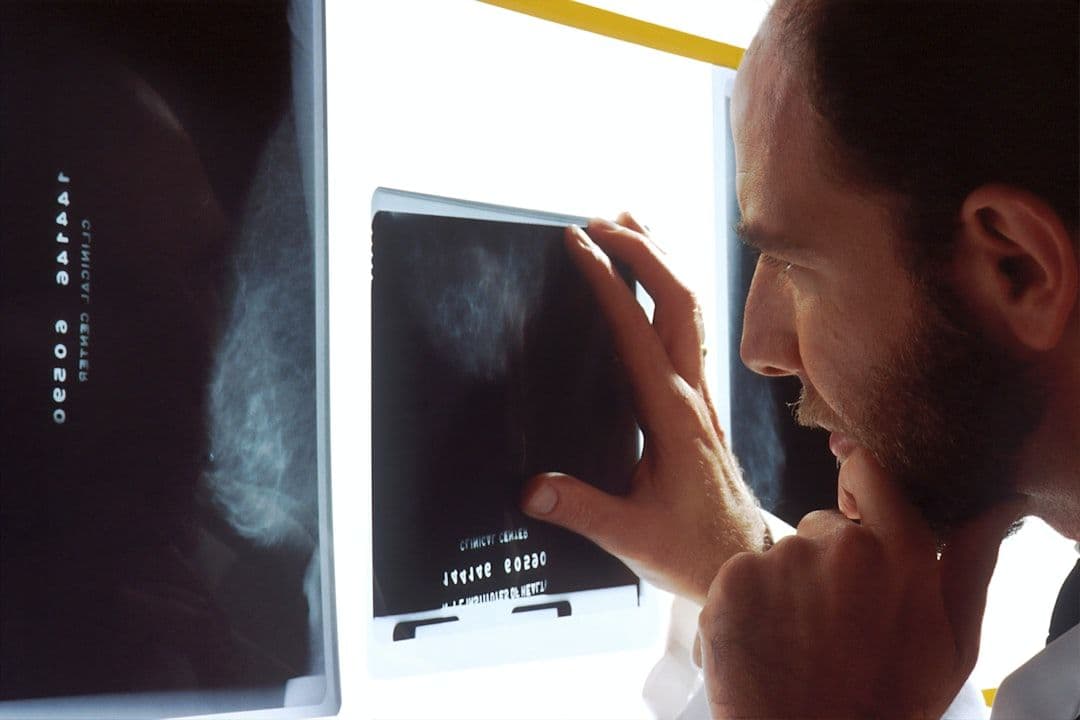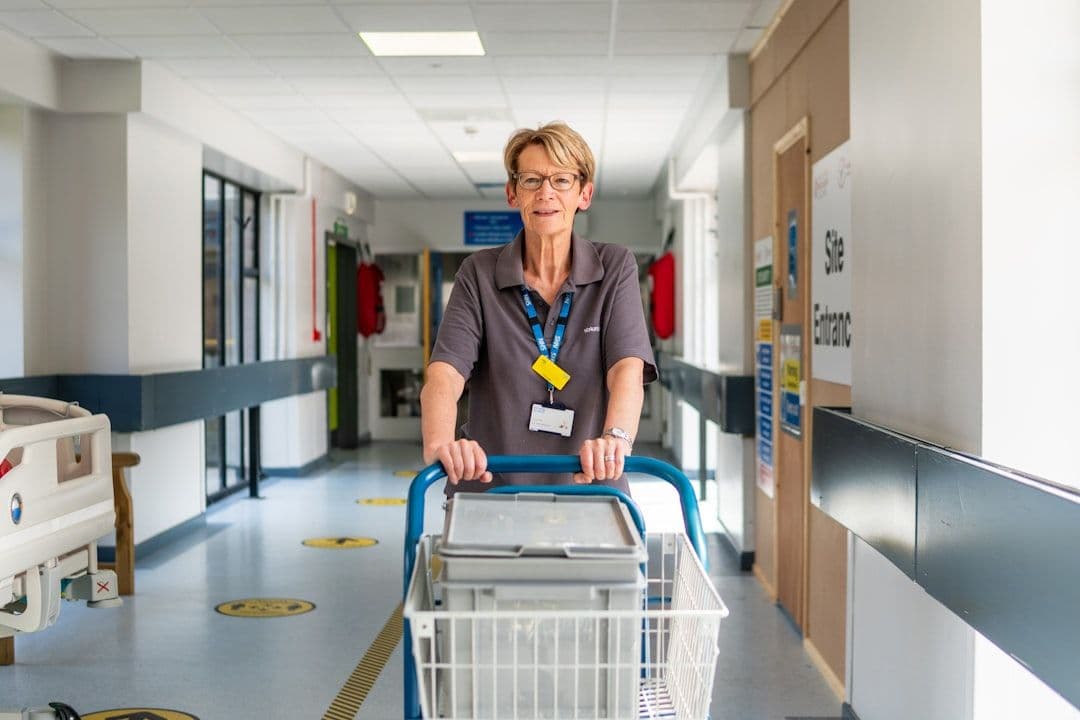
The latest NHS England figures show the elective waiting list falling from its peak of 7.8 million in late 2023. That is genuinely good news, and it deserves to be said plainly. But the current list still sits above 6 million, and the median wait for elective treatment remains around 14 weeks. For someone in pain, struggling to work, or watching a condition worsen, 14 weeks is not an abstract statistic. It is 14 weeks of your life.
NHS waiting times in the West Midlands, Worcestershire, and across Bromsgrove have followed the national pattern: improvement from the worst of the post-pandemic backlog, but still far from pre-2020 norms. This piece looks honestly at what the data shows, where the gaps remain, and what your options are if waiting is not something you can afford to do.
What the Official Data Actually Shows
NHS England publishes monthly referral-to-treatment (RTT) statistics. As of early 2025, around 58 per cent of patients on a non-urgent elective pathway are seen within 18 weeks. The government target is 92 per cent. That gap has narrowed, but it remains significant, and it conceals a wide variation by specialty and region.
Orthopaedics carries one of the largest backlogs. Joint replacement surgery, arthroscopy, and soft tissue procedures were severely disrupted during the pandemic, and recovery has been slower than in, say, ophthalmology or some areas of cardiology. Patients waiting for a knee replacement or hip replacement in the West Midlands routinely report waits of 12 to 18 months from GP referral to surgery. Some longer.
GP access is a separate pressure. The average time from booking to a routine NHS GP appointment in England is over two weeks in many areas, with significant variation across practices. For a patient who needs a referral before they can even join a specialist waiting list, that front-door delay compounds everything downstream.
The Conditions Where Waiting Carries Real Risk
Not every condition deteriorates with time. A stable hernia, a small lipoma, a non-urgent gynaecological review: these can often wait without meaningful clinical consequence. But several common conditions are different.
Knee and hip osteoarthritis tends to progress. Cartilage loss continues, muscle weakness accumulates, and the mental health burden of chronic pain is well-documented. The longer a patient waits, the more complex the surgery can become, and the harder the rehabilitation. Patients who present to surgery in very poor functional condition often take longer to recover.
Soft tissue injuries, such as a torn meniscus or an ACL rupture, follow a similar logic. Delay in treating a meniscal repair can allow secondary cartilage damage. An unstable knee left unaddressed after ACL injury increases the risk of further structural harm. The window for the best outcome is not always open indefinitely.
Foot and ankle conditions, including Achilles problems and advanced bunion deformity, can worsen with continued loading. Foot and ankle surgery at the right time is often a more straightforward procedure than the same operation performed after months of additional wear.
None of this means every patient should rush to go private. The decision depends on your specific condition, your functional situation, your finances, and your priorities. What it does mean is that waiting is not a neutral act for everyone.
Where Private Care Fits In
Private healthcare in the UK sits alongside the NHS, not instead of it. Many patients use it to get a faster diagnostic assessment, a second opinion, or to have a time-sensitive procedure done while they remain on an NHS list for ongoing care. The two systems interact more than most people realise.
At Optimised Care, the most common pattern is straightforward: a patient is on an NHS waiting list, their condition is affecting their quality of life, and they want to know whether there is another option. Sometimes the answer is a same-week consultation that gives them confidence to keep waiting. Sometimes it results in surgery booked within days.
For orthopaedic patients specifically, the team here includes Mr Panos Makrides, a consultant orthopaedic surgeon with over 15 years of experience in hip and knee replacement. Mr Makrides currently offers the Direct Superior Approach to hip replacement, a muscle-sparing minimally invasive technique that aims for faster recovery and reduced post-operative pain. He also performs Mako robotic-arm assisted joint replacement. Patients referred to him can typically be seen within days and, where surgery is appropriate, have a date confirmed shortly after.
For knee surgery in particular, Mr Mark Dunbar brings an exclusively knee-focused practice, which is relatively uncommon in UK orthopaedics where most consultants manage both knee and hip conditions. He offers kinematic alignment knee replacement, a technique that positions the implant to match the patient's own pre-arthritic anatomy rather than aligning every patient to a standard neutral axis. Approximately 85 per cent of people have natural knee anatomy that is not perfectly straight, and kinematic alignment aims to restore each patient's individual joint line. Mr Dunbar is one of the few UK surgeons offering this approach, and his outcome data is publicly available via the National Joint Registry.
For non-surgical needs, including getting a referral in the first place, our private GP service offers same-week appointments and can refer directly into specialist care on the same site. For patients whose NHS GP wait is itself the barrier, this is often the most practical first step.
The Cost Question
Private care is not free, and this piece would not be honest if it glossed over that. The cost of a private orthopaedic consultation is typically in the low hundreds. Surgery costs vary considerably by procedure, and many patients use private medical insurance to cover or offset the cost.
What is worth knowing is that the comparison is not always private versus free. The real comparison is often: private now versus NHS in 14 months. That involves weighing the cost of the procedure against the cost of 14 months of pain, reduced earning, and possible clinical deterioration. For some people, waiting is the right choice. For others, the arithmetic looks different.
Our team can give you a clear cost estimate before you commit to anything. There are no vague ranges or surprises after the consultation.
A Practical Note on Using Both Systems
Going private for a consultation or a procedure does not disqualify you from NHS care. You can be on both waiting lists simultaneously. You can have a private diagnosis and then return to NHS for ongoing management. You can use a private GP appointment to get a faster referral into NHS specialist care.
These are practical options that many patients do not know are available to them. Understanding how the two systems can work together is often more useful than thinking of them as mutually exclusive.
If you are on an NHS waiting list for orthopaedic care, for a procedure such as knee arthroscopy, or for anything in general surgery, it is worth at least having a conversation about your options. You may find the wait is manageable. You may find that it is not. Either way, you will be making an informed decision rather than simply accepting the default.
The NHS is improving. That is real and it matters. But for the patient sitting with a swollen knee or a hip that has stopped letting them sleep, the national trend line is less relevant than their own timeline. Knowing your options, clearly and without pressure, is a reasonable place to start.
NHS Referral to Treatment statistics are published monthly by NHS England and updated with a short lag. The figures referenced in this article reflect data available in early 2025.